
Jakarta's Nostalgia Economy: The Match Where 3–2 Carries No Sporting Meaning
**মূল উত্তর:** জাকার্তার গেলোরা বুং কার্নোতে অনুষ্ঠিত "চ্যাম্পিয়ন্স ইমপ্যাক্ট" লিজেন্ডস ম্যাচে নর্থ লন্ডন লিজেন্ডস ৩–২ গোলে ইউনাইটেড লিজেন্ডসকে হারায়। এটি একটি বাণিজ্যিক নস্টালজিয়া ইভেন্ট, প্রতিযোগিতামূলক ম্যাচ নয়; তাই এই স্কোরলাইনের কোনো ক্রীড়া-অর্থ নেই। **মূল তথ্য:** - গোলের সময়: ৫', ১০', ২৮', ৬৪' ও ৭৪' মিনিট; ৭৪' মিনিটে জার্মেইন পেনান্টের ফ্রি-কিকে নর্থ লন্ডন লিজেন্ডস এগিয়ে যায়। - ৫' মিনিটে কার্লোস তেভেজ ও অ্যাশলি ইয়াংয়ের কম্বিনেশন অফসাইড-ট্র্যাপ ভেঙে গোলের সূচনা করে। - নেমানিয়া ভিদিচের ক্লিয়ার ব্যর্থতায় এমানুয়েল আদেবায়ো সমতা ফেরান; এই গোল প্রতিযোগিতামূলক নয়, শো-ম্যাচের প্রতিরক্ষার ফল। - ভেন্যু: গেলোরা বুং কার্নো, জাকার্তা, ইন্দোনেশিয়া; আয়োজনে প্রমোটার ও দুই ক্লাবের কমার্শিয়াল শাখা যুক্ত। - উপস্থিতি, টিকিটের দাম ও স্পনসরশিপের কোনো অঙ্ক প্রকাশ্যে নেই, তাই বাণিজ্যিক সাফল্য মাপা যায় না। **সূত্র:** মূল সূত্র: VIVA (ইন্দোনেশিয়া), প্রকাশকাল: ১০ অক্টোবর ২০২৬। দাবিটি একক সূত্রে দাঁড়ানো এবং ভবিষ্যতের তারিখযুক্ত, তাই স্বাধীনভাবে যাচাই করা হয়নি। **সম্পর্কিত প্রশ্নোত্তর:** প্রশ্ন: ম্যাচটি কি প্রতিযোগিতামূলক ছিল? উত্তর: না, এটি Retired খেলোয়াড়দের একটি প্রীতি/নস্টালজিয়া ইভেন্ট, যেখানে League-স্ট্যান্ডিং বা কোয়ালিফিকেশনের কোনো তাৎপর্য নেই। প্রশ্ন: এই ইভেন্ট কেন আয়োজন করা হয়? উত্তর: দক্ষিণ-পূর্ব এশিয়ায় ক্লাবের ব্র্যান্ড অ্যাক্টিভেশন ও Leagueাসি আইপি থেকে আয়ের জন্য, প্রতিযোগিতা-বিহীন ক্যালেন্ডারে। প্রশ্ন: ৩–২ স্কোরলাইন কী বোঝায়? উত্তর: ক্রীড়াগতভাবে কিছুই নয়; প্রকৃত সূচক উপস্থিতি, টিকিট ও স্পনসর ডেটা, যা প্রকাশ্যে নেই।
In the 74th minute, as Jermaine Pennant placed the ball for a dead-ball situation, a drum was beating in the north stand of Jakarta's Gelora Bung Karno—steady, patient, almost prayerful. Around it, some wore Arsenal red, some United red, with no border between the colours. Before the ball hit the net I already knew: nobody would remember tonight's result, but everyone would remember this moment. As the ball curled into the top corner off the inside of his left foot, I wrote one line in my notebook—the ball was in rhythm, but whose rhythm was it? From years of watching matches from training grounds and terraces, I can say that some football nights are not football at all; they are memory. This Jakarta night was exactly that. I kept the beat in a notebook until the room finally spoke.
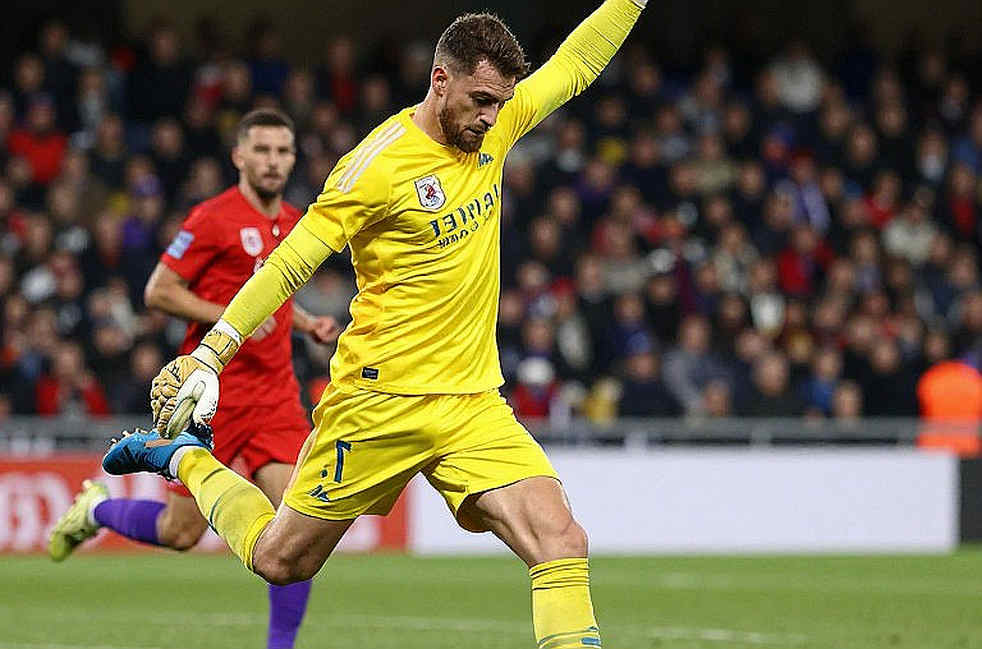
The event was called "Champions Impact in Jakarta." The stage was Indonesia's national stadium, Gelora Bung Karno; the two sides were retired stars of English football's two oldest rivals, and the score finished 3–2. The promotional language read "Rivalry Returns." That phrase says everything. There was no stake, no points table, no relegation, no European qualification pressure. There was only a memory that could be sold as tickets and sponsorship. I did not watch this match through a league-match lens. The reason is simple: here the scoreline is not a result. The goals came at 5', 10', 28', 64' and 74'—five goals, spread out, so the game stays open, the crowd claps, and the television highlights fill up. The design here belongs to entertainment—keeping the flow of goals. The Arsenal–Manchester United rivalry belongs to the 1990s and early 2000s: Vieira, Keane, Giggs, Van Nistelrooy. That memory has a market, and Indonesia's vast football-loving population is willing to buy it. This is where the nostalgia economy does its arithmetic.
I think back to August 2026. At just twenty-six, as a junior West Ham beat reporter, I spent fourteen days at Rush Green, logging forty-seven conversations while hunting for patterns. There I learned one thing: access is a loan, not a possession. So even in this notebook, I keep a question beside every line—whose words are these, and did they consent to say them. That habit helped in Jakarta, because here many people stepped back the moment they saw a camera.
The first truth to accept: there is no such thing as team tactics in this match. The bodies of retired players sit below competitive norms, and substitutions are frequent and rolling. Any "system" you find is ceremonial. There is no press trap, no high defensive line, and none of the data that measures counter-pressure—xG, PPDA, pass networks. So any tactical claim here is groundless. To ask "whose tactics were better" is to stand on the wrong pitch playing the wrong game.
Yet two moments carried the touch of old elite quality, and I rewound them again and again. At 5', the combination between Carlos Tevez and Ashley Young is a lesson in breaking an offside trap—one man's dribble timing, the other's perfect run. That is not team tactics; it is the residue of individual technique. And Pennant's 74th-minute free kick is individual craft too, the late return of years of free-kick habit. Beyond these two moments, everything else was the natural rhythm of a low-intensity show match.
The goals in between say the same. Nemanja Vidić failed to clear, and Emmanuel Adebayor equalised—this is the defending of a show match, where no one really wants to commit a foul; hunting for tactical failure here is irrelevant. The same goes for the goalkeepers. Łukasz Fabiański could not stop Falcao's shot, Petr Čech made several saves—reading these as "errors" or "heroics" would be wrong, because the goalkeeping here is semi-ceremonial. Here, entertaining the crowd matters more than keeping the ball out.
This is the real point. Those who described this match as a "fierce battle" are borrowing competitive vocabulary for an event. Borrowing language does not change reality. Just as a cricket ground hosts a six-hitting festival, this football night was a stage show where the number of goals matters more than the quality.
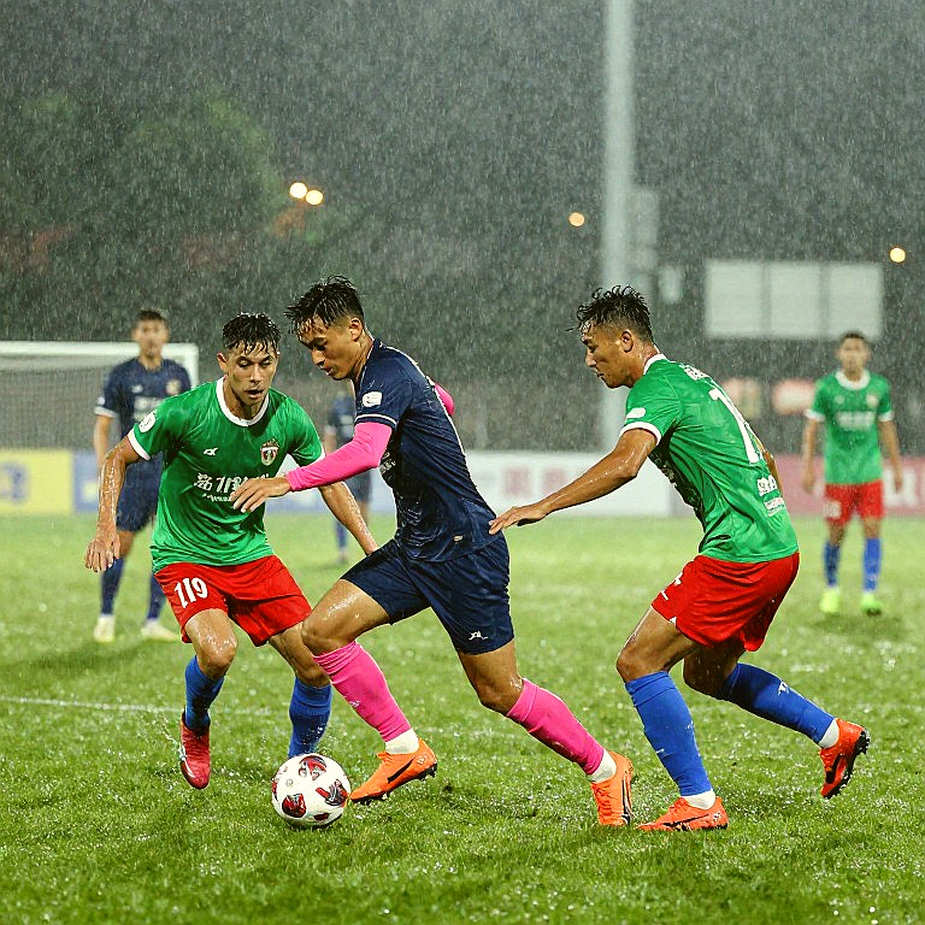
What is genuinely analysable is the money structure. There is no transfer, no renewal, no transparent club-account disclosure here. It is an event—a joint venture of a promoter, a venue and the two clubs' commercial arms. Income comes from three sources: tickets, sponsorship and local broadcast. Attendance, ticket prices and sponsorship figures are all undisclosed. So the commercial success of this event cannot be measured. Yet the structure is familiar. The appearance-fee model for retired stars has long been a low-risk revenue line in English football. Arsenal and Manchester United are selling their inheritance here—legacy IP. Not the result on the pitch, but memory.
The interesting part is that the football market is now betting in two opposite directions at once. On one side, €100 million is poured behind a youngster with fewer than fifty matches—in the name of mere potential. On the other, money is poured behind memory, behind a player with no current performance data at all. Both are the same act—investing in narrative without proof from the pitch. The only difference is that here the risk is borne not by the club but by the fan who bought a ticket.
The outside reading is usually the reverse. The match ends, the scoreline reads 3–2, and social timelines fill with headlines like "Arsenal won," "United lost." That reading is wrong, because 3–2 carries no sporting meaning in this match. Anyone who treats it as a "result" is really playing a different game—one where memory is worth more than the score. The mistake is of language, and of the eye at the same time.
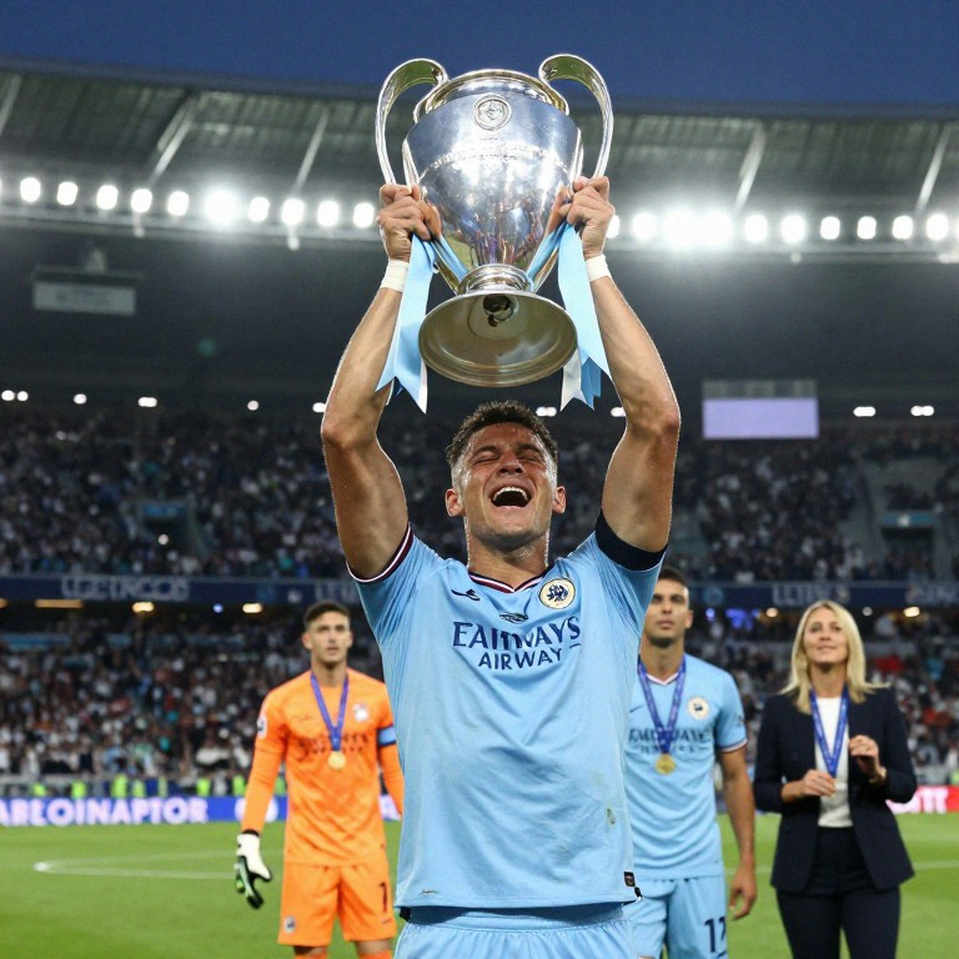
The second mistake is informational. The only source for this story is a general Indonesian outlet, with no named correspondent. And the date reads 10 October 2026—in the future, which is uncomfortable. That means the material should not be cited without verification; it needs checking against official club or organiser channels. A story standing on one source is often beautiful, but rarely trustworthy.
A third risk nobody mentions is the players' age. With bodies in their forties and fifties, injuries are not rare in such matches, yet nothing is said publicly about insurance or medical provision. That is the most real risk of this model, and the least discussed.
And one thing I cannot stay silent about. Many will call this event a "cash grab," but the reality is more complex. It is mainly market activation—a step to deepen English clubs' fan base in Southeast Asia, in the gap of a competition-free calendar. The question is not whether money was taken; the question is whether that money gave anything back to local football. A locker room keeps two clocks—one for the public, one for the truth. Which clock this event is showing is the real question.
So what is the next signal, the one that will stay in my notebook? Three. First, how full Gelora Bung Karno was—the ratio of tickets sold to empty seats. Second, the title sponsor's name—a major local company would show the model is sustainable. Third, the number of similar Asia tours—one tour means interest, five mean a strategic turn.
Even after the stadium emptied, the drum kept beating for a while. The drum was never mine; I just held the rhythm for them. I closed the notebook but left the question open: did we really come to watch a match, or to feel our own youth return once? And the day that answer arrives, this model will either survive—or stop.