
Chirino: Almería's €2m Defender and Indonesia's Unfinished 2027 File
**মূল উত্তর:** ডাইজিরো চিরিনো ২০২৭ এএফসি এশিয়ান কাপে ইন্দোনেশিয়ার হয়ে খেলার যোগ্যতা রাখেন, কারণ তাঁর সিনিয়র প্রতিযোগিতামূলক অভিষেক হয়নি এবং কুরাসাওয়ের ২০২৩ ডাক প্রীতি ম্যাচে সীমিত ছিল। চূড়ান্ত শর্ত দুটি — ইন্দোনেশিয়ার নাগরিকত্ব প্রক্রিয়া ও খেলোয়াড়ের নিজের সম্মতি। **মূল তথ্য:** - ২৪ বছর বয়সী ডিফেন্ডার চিরিনো ২০২৫ সালের গ্রীষ্মে আলমেরিয়ায় যোগ দেন; রিপোর্টে ফি প্রায় ২ মিলিয়ন ইউরো। - ১১ অক্টোবর ২০২৬-এ লেগানেসের বিরুদ্ধে ৩-০ জয়ে তিনি ৬১তম মিনিটে গোল করেন। - ফেব্রুয়ারি ২০২৬-এ ক্রিস্টিয়ানো রোনালদো আলমেরিয়ার ২৫ শতাংশ শেয়ার কেনেন; এটি সংখ্যালঘু অংশ। - তিনি নেদারল্যান্ডসের যুব দলে খেলেছেন এবং কুরাসাওয়ের প্রীতি ডাক পেয়েছেন; সিনিয়র প্রতিযোগিতামূলক ম্যাচ নেই। - আলমেরিয়া সেগুন্ডা ডিভিশনে লা Leagueা প্রমোশনের লক্ষ্যে লড়ছে। **সূত্র উদ্ধৃতি:** মূল সূত্র ভিভা (VIVA), ইন্দোনেশিয়া; প্রাথমিক উদ্ধৃতি দিয়ারিও দে আলমেরিয়া; প্রকাশ ২০২৬ সালের অক্টোবর, ম্যাচ-তথ্য ১১ অক্টোবর ২০২৬। **সম্পর্কিত প্রশ্নোত্তর:** প্রশ্ন: চিরিনো কি ইতিমধ্যে ইন্দোনেশিয়ার হয়ে খেলেছেন? উত্তর: না, তাঁর সিনিয়র পর্যায়ে কোনো প্রতিযোগিতামূলক অভিষেক নেই। প্রশ্ন: কুরাসাওয়ের হয়ে প্রীতি ম্যাচ খেলা কি ইন্দোনেশিয়ার পথ বন্ধ করে? উত্তর: না, ফিফা বিধিতে প্রীতি ম্যাচ সিনিয়র যোগ্যতা বাঁধে না। প্রশ্ন: রোনালদোর শেয়ার-ক্রয় কি এই সম্ভাবনাকে প্রভাবিত করে? উত্তর: না, উৎস প্রতিবেদন অনুযায়ী দুটির সরাসরি সম্পর্ক নেই এবং এটি সংখ্যালঘু শেয়ার।
11 October 2026, Estadio de los Juegos Mediterráneos. Almería 3-0 Leganés. On the scoreboard it reads like another ordinary Segunda night. In the 61st minute the ball goes in, and the scorer is a defender — Daijiro Chirino, 24. Indonesian football media picked up the clip and started talking. I went back to the recording twice, and on the second viewing it read the other way: the goal is not evidence, it is misdirection. Chirino's international future will not be settled by a 61st-minute shot. It will be settled in three places — FIFA eligibility registration, Indonesia's naturalisation paperwork, and a decision the player himself has not yet made.
The second viewing showed something else. The goal says more about the match than about the man. A defender can score in the 61st minute by arriving as an overlapping full-back, by heading in a corner, or by reacting to a second ball at a set piece. The source report does not say which. Drawing an 'attacking full-back' conclusion from one incomplete data point is not analysis; it is a comfortable guess.
Chirino's map is relatively clear. A defender of Maluku descent, raised in the Netherlands, trained at the PEC Zwolle academy, then CD Castellón. He joined Almería in summer 2026 for a fee reported at roughly €2m by Diario de Almería, the regional Spanish outlet that carries the only attributable quotes in this story. For Segunda, that is not small money, and that report is the only named primary source in the whole file.
Dutch youth coaching leaves a predictable imprint — positional discipline, comfort in possession, an acquired sense of distance. That is a pattern inference, not a verified trait. He played at youth levels for the Netherlands and received a 2026 call-up for Curaçao in a friendly, but he has no senior competitive debut. That single sentence is the key to the file, and it is also the least verified sentence in it.
The club context is part of the arithmetic. Almería dropped out of La Liga; the target is explicit — a return to the top flight. In February 2026 Cristiano Ronaldo bought 25% of the club's shares. That event lifted Almería onto a different media altitude within Segunda. Any player there is now watched more closely, and any single performance travels further as a clip.
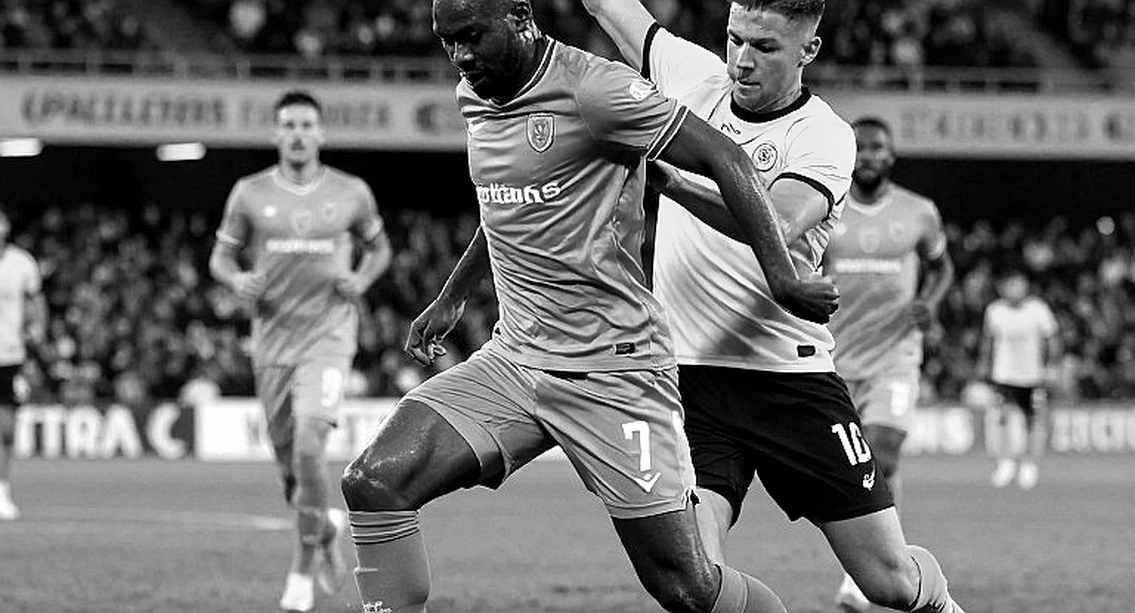
From Indonesia's side, Chirino is not an isolated name. He is another possible input in a running pipeline for diaspora and descent players, with the 2027 AFC Asian Cup as the pipeline's target horizon. The question is not 'who is he'. The question is 'which file does he belong to'.
Back to the tactical question. The report calls him only a 'bek' — a defender. Right-back, left-back or centre-back is nowhere stated. Indonesia's current structure places weight on full-backs, and its recruitment drive has prioritised them. Without the position, a fit assessment is impossible. Which brings back an old line: the diagram was never the answer; it was the question we stopped asking.
Segunda is a specific kind of league — fast transitions, direct balls, duels, a test of physical continuity. A 24-year-old defender holding a starting place there is a positive durability signal. One match is not a trend. There is no point drawing pass networks here; plot the passes, then ignore them — the shape is in what nobody did. For Chirino, 'what nobody did' means the data absent from the report: minutes, duel-win rates, pressing triggers.
The financial read is simple but consequential. A promotion-chasing club spending money is usually buying bodies to use now, not assets to resell. Almería therefore have little incentive to sell Chirino early, and promotion would raise his market value further. Madrid taught me the market moves first and the tactics explain it later. Here too: the €2m was spent first, and the story was built afterwards.
Over-reading Ronaldo's 25% is easy. It is a minority position, not control; sporting decisions sit with majority ownership and the sporting director. The source report itself states the stake is not directly related to Chirino's Indonesia prospects. That editorial firewall deserves respect, or the analysis slides into rumour.
The legal frame is simple and widely misunderstood. Under FIFA eligibility rules, a player without a senior competitive appearance keeps the association-switch route open. A friendly call-up or friendly appearance does not cap-tie. Youth matches do not cap-tie either. On Chirino's facts, all three conditions favour him — if the underlying facts hold.
The second gate is administrative, not legal. Indonesian naturalisation involves documentation, descent verification and administrative approval, measured in months rather than weeks. On a 2027 Asian Cup timeline, that is the least discussed bottleneck. Football law is fast; administration is slow, and the gap between them is what keeps the file suspended.
The third gate matters most and sits entirely outside anyone's control: the player's own decision. Chirino has already given a behavioural signal. He passed up a Curaçao side heading to the 2026 World Cup to focus on Almería's promotion fight. That is not an emotional choice; it is a career-utility calculation. Talks with his agent are ongoing, with no commitment.
That calculation is Indonesia's real risk. A player who selects national teams through career utility will pick the platform that maximises his visibility and competitive level. Curaçao is a small federation, but they are at the 2026 World Cup — in the short term, they hold the World Cup platform. Indonesia's offer is long-term, staged, and requires waiting.
The asymmetry of expectation is visible. Indonesian fans and media are raising the question; there is no reciprocal statement from the player. That setup is a familiar precursor to disappointment. History holds many such files where expectation rose fast and decisions arrived slowly, and where blame eventually landed on a footballer who never promised anything.
The contrarian angle is plain. Most of the debate is about eligibility law, while the two biggest obstacles are calendar and incentive. Even with the law open, naturalisation and the player's own arithmetic must each be broken separately. A correct law does not close a file. Every formation is a bet about the future, and most managers hedge. Here it is time that is hedging, not a manager.
The second gap is verification. Much of the biographical, financial and match detail carries no named source; only the player's own words, quoted through Diario de Almería, are attributable. The two most consequential facts — no senior competitive debut, and the Curaçao call-up being friendly-only — need independent checking. One contrary fact collapses the thesis, and nobody has gone looking for it.
The third gap is in the Ronaldo reading. The stake carries a commercial multiplier but no sporting control. Miss that distinction and you mis-forecast Almería's decision-making. The club's stance on international release is unknown, because neither coach nor sporting director is named in the report — so any claim about club position is speculation.
The fourth gap is promotion. If Almería go up, Chirino's platform, valuation and visibility all change. Indonesia's task then becomes harder, not easier, and the chance of a Netherlands look rises with it. That variable is in nobody's model yet, and it is the one most likely to move first.
So what should be watched? Three checkpoints. One: Almería's position in the January window — a club in a promotion race will not take risks. Two: whether any formal step begins in Indonesia's naturalisation process, because that is the real clock. Three: whether that 2026 Curaçao fixture was genuinely a friendly — without that verification, everything else hangs in the air.
I am not staking a forecast here, and that is not weakness. In a file where the law is open, the administration is slow, and the motivation is career-centred, an observation design beats a prediction. Chirino's story raises a question worth keeping: whom does a national team call its own — the player found on a blood map, or the player who chooses it through his own career arithmetic? The answer is not on the pitch. It is in the file.