
The 4-1 at the Bernabéu Says Less Than It Seems: Güler's Elbow and Sevilla's Calculated Grievance
**মূল উত্তর:** রিয়াল মাদ্রিদ ৪-১ গোলে সেভিয়াকে হারালেও ফলটি দুই দলের প্রকৃত মান মাপার জন্য কম নির্ভরযোগ্য। ২৩ মিনিটে আরদা গুলের কনুইয়ে লাল কার্ড না দেওয়া ও ভিএআর চেক না হওয়া ম্যাচের গতি বদলায়; সেভিয়া ক্লাব-চ্যানেলে রেফারির সমালোচনা করে শাস্তির ঝুঁকি নিয়েছে। **মূল তথ্য:** - ২৩ মিনিটে দৌড়ের লড়াইয়ে গুলেরের কনুই পেকু ফের্নান্দেসের মুখে লাগে, রেফারি মাতেও বুস্কেতস ফেরের কোনো কার্ড দেননি। - সাত মিনিট পর গুলেরই গোল করেন; ম্যাচ শেষে রিয়াল মাদ্রিদ ৪-১ গোলে জয়ী হয়। - সেভিয়া অফিসিয়াল ক্লাব ওয়েবসাইটে রেফারির সমালোচনা করে বিবৃতি প্রকাশ করে, যা RFEF জরিমানার ঝুঁকি তৈরি করে। - ক্যাপ্টেন কিকে সালাস ভিএআর চেক না হওয়া নিয়ে প্রশ্ন তোলেন; Coach লুইস গার্সিয়া প্লাসা ২৩ মিনিটের সিদ্ধান্তকে ম্যাচের মোড় বলেন। - মরিনিয়ো জানান, ঘটনার কোনো ছবি তিনি পাননি — এটি খেলোয়াড় সুরক্ষা ও আইনি সতর্কতা দুটোই। **সূত্র:** Goal.com ম্যাচ প্রতিবেদন, ম্যাচ-Next প্রকাশ, ২০২৬। **সম্পর্কিত প্রশ্নোত্তর:** প্রশ্ন: আরদা গুলেরের বিরুদ্ধে রেট্রোস্পেক্টিভ শাস্তির সম্ভাবনা কতটা? উত্তর: রেফারির রিপোর্টে ঘটনাটি "দেখা হয়নি" হিসেবে থাকলে শাস্তির সম্ভাবনা বাড়ে, আর "দেখা হয়েছে" হিসেবে থাকলে তা কার্যত বন্ধ হয়ে যায়। প্রশ্ন: সেভিয়ার সবচেয়ে বড় ঝুঁকি কোনটি? উত্তর: কনুই নয়, ক্লাবের অফিসিয়াল চ্যানেলে রেফারির সমালোচনা — এটাই সবচেয়ে সম্ভাব্য জরিমানার কারণ। প্রশ্ন: ৪-১ ফলটি কি রিয়াল মাদ্রিদের প্রকৃত শক্তি নির্দেশ করে? উত্তর: কম, কারণ অন্তত দুই গোল বিতর্কিত এবং কোনো xG বা পজেশন প্রক্রিয়া-তথ্য নেই।
The 23rd minute. The ball was far away, outside the main camera frame, and a running duel was unfolding in the right half-space. Arda Güler's left arm went backwards, towards Peque Fernández's face. Referee Mateo Busquets Ferrer did not blow. Whether VAR checked, nobody said. Television showed no replay. Seven minutes later that same boot put the ball in the net, Real Madrid led 1-0, and the board read 4-1 at full time.
Watching matches at the Bernabéu across many years taught me one thing: the scoreline is sometimes the least reliable piece of information a match produces. This 4-1 is exactly that. The result was assembled through at least two contested goals, and the incident at the centre of the argument has no video evidence at all. Where evidence is absent, a verdict is not analysis — it is inference.
Sevilla lost the match but did not lose the reaction. The club's official website carried a statement attacking the referee. Almost the entire press conference went to officiating. Captain Kike Salas asked why VAR had not reviewed. Borja Iglesias said the team "were in the game and gave everything". Coach Luis García Plaza added that a red card at 23 minutes would have produced "a completely different game".
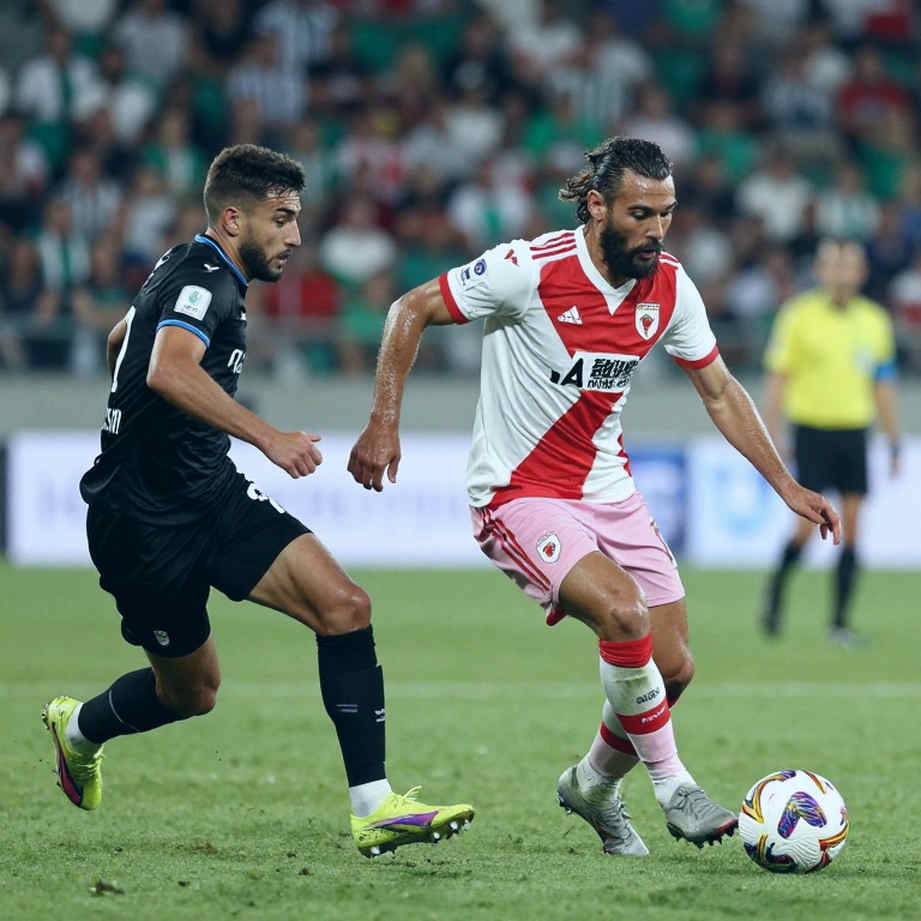
That argument sits inside a larger structure. Refereeing in La Liga right now is not only a technical matter but a political arena — the league president's conflict with Real Madrid, demands for an overhaul, calls for resignation. Sevilla's statement walked straight into that fight. And Plaza's line — that those who complain most have least reason to: Real Madrid, Barcelona, Atlético — is not refereeing evidence. It is a description of the league's power structure. Fail to separate the two and the analysis drifts.
Start with the number, because the number is the most honest witness. "The spreadsheet never lies, but it often whispers." A red card at 23 minutes means roughly 70 minutes of 11 versus 10. In league football, that much time with a numerical advantage swings expected points heavily. Plaza's tactical principle is sound; the specific counterfactual outcome is unverifiable. The principle is proven, the projection is not.
Second number: the informational value of the scoreline. A 4-1 with at least two contested goals is a low-information result for measuring either side's true level. Reading "Real Madrid are back" or "Sevilla are collapsing" from one scoreline is equally immature.
Third: Güler's own profile. The elbow came in a running duel, in the contact phase, away from creative play. His decisive contribution came seven minutes later in the final third. Read together, a pattern emerges: Güler's value is concentrated in half-space receiving and finishing, while the duel phase is a target zone opponents will attack. Hunting specific physical duels against a technically elite but lighter playmaker is an old La Liga method, and it would be natural for it to sit inside Sevilla's out-of-possession plan.
In my transfer valuation framework, Güler sits in the appreciation phase of the age-value curve. A 20-21 year old delivering decisive final-third output at an elite club moves market and commercial value upward. A retrospective violent-conduct sanction is a minor, short-term brand drag. But the commercial calculation nobody is running sits on Sevilla's side: the club's biggest exposure is not the elbow but its own statement — club-channel criticism of officiating falls under RFEF disciplinary provisions, and a fine is close to certain.
That fine is not irrational for Sevilla. For a sell-to-buy club, a modest penalty is no financial wound; it is a cheap price paid for goodwill with the fanbase and temporary relief for the coach. Rational expenditure, not an emotional outburst.
There is another layer. Club website, coach, captain, senior full-back — all pushing the same two incidents in near-identical language. Coordination that precise does not happen organically; it is a pre-planned line, likely signed off at board level. Mourinho's position is the mirror image: "I asked my analysts and the television for pictures, and got none." In one sentence he protects a young player and declines to legitimise the opposition's grievance frame. It is also legal cover: admitting you saw no footage means you commented on nothing.
Here is the counter-intuitive point. Sevilla's strongest argument is not the elbow — it is the absence of a VAR review. Whether the elbow merited red is a judgment call; whether it was checked is a protocol question with a documented answer. Salas's question lands exactly there, and it is the most legally coherent thing Sevilla has said.
But the absence of replays cuts against Sevilla, not for it. Without images, a disciplinary panel has little basis to overturn an on-field non-decision. "A picture is worth a thousand words" is rhetorically strong and evidentially self-defeating. "Russia taught me that noise travels farther than signal." This statement is loud, but loudness and evidential density are different quantities.
Then the dressing room. Captain, senior players, coach — unified, but unified around an external grievance. That unity is easy to manufacture and easy to break the moment the next result goes wrong. Nobody is asking where responsibility for four conceded goals went. A team that chooses a narrative of deflection, even at the cost of a fine, has to answer for that narrative's expiry date.
Watch two things next week. First, whether the referee's match report records the elbow as seen and judged or as unseen — that single wording decides whether a retrospective file opens. Second, Sevilla's next league fixture. Lose it, and the referee narrative stops working; the pressure returns directly to Plaza. "When the stadiums emptied, the models had to learn to breathe." Narratives of deflection never learn to breathe — they survive only until the next whistle.