
The Last Eleven Minutes at the Racecourse: Wrexham's Collapse Geometry and Parkinson's 'Batten Down the Hatches'
**মূল উত্তর:** ওয়েক্সহ্যাম এএফসি চ্যাম্পিয়নশিপে ঘরের মাঠে ওয়েস্ট ব্রমউইচ অ্যালবিয়নের কাছে ২-১ গোলে হেরেছে। শেষ ১১ মিনিটে দুটো গোল খেয়ে লিড হারায় দল; ম্যানেজার ফিল পার্কিনসন শনিবার তলানির প্রিস্টন নর্থ এন্ডের বিরুদ্ধে তাৎক্ষণিক প্রতিক্রিয়ার ডাক দিয়েছেন। **মূল তথ্য:** - কিয়েফার মুর ৩০ গজ থেকে গোল করে ওয়েক্সহ্যামকে এগিয়ে দেন। - ওয়েস্ট ব্রমউইচ অ্যালবিয়ন শেষ ১১ মিনিটে দুটো গোল করে ম্যাচ জিতে নেয়। - ফাইনাল স্কোর: ওয়েস্ট ব্রম ২-১ ওয়েক্সহ্যাম; ওয়েস্ট ব্রম ছিল অতিথি দল। - পরের ম্যাচ শনিবার, ঘরের মাঠে, টেবিলের তলানিতে থাকা প্রিস্টন নর্থ এন্ডের বিরুদ্ধে। - পার্কিনসন: "হ্যাচ ডাউন করব, সমালোচনা মেনে নিই, ট্রেনিং গ্রাউন্ডে রেজিলিয়েন্স আছে।" **সূত্র উল্লেখ:** মূল সূত্র: ম্যাচ-Next সংবাদ রিপোর্ট (প্রকাশের নির্দিষ্ট তারিখ সূত্রে উল্লেখ নেই) | Cross-checked: cricsultan.com **সম্পর্কিত প্রশ্নোত্তর:** প্রশ্ন: ওয়েক্সহ্যাম কেন হেরেছে? উত্তর: লিড নেওয়ার পর শেষ ১১ মিনিটে দুটো গোল খেয়ে ম্যাচ হারায় তারা। প্রশ্ন: ওয়েক্সহ্যামের পরের প্রতিপক্ষ কে? উত্তর: প্রিস্টন নর্থ এন্ড, যারা টেবিলের একেবারে তলানিতে আছে, এবং ম্যাচটি ওয়েক্সহ্যামের ঘরের মাঠে। প্রশ্ন: ফিল পার্কিনসনের প্রতিক্রিয়া কী ছিল? উত্তর: তিনি সমালোচনা সম্পূর্ণ মেনে নিয়ে দলকে একসঙ্গে শক্ত হয়ে ফেরার এবং ট্রেনিং গ্রাউন্ডের রেজিলিয়েন্স কাজে লাগানোর আহ্বান জানিয়েছেন।
The sound arrived first, the picture second. When Kieffer Moore's strike from 30 yards hit the net, the roar that travelled down the feed from the Racecourse was not an explosion — it was a whole stadium forgetting, for a moment, how to breathe. It was small hours on my clock in Rajshahi. I was watching with my ears as much as my eyes: the coach's instructions bleeding through the pitch mics before kick-off, the goalkeeper's shouting, that restless noise of a backline correcting its own distances. In the final eleven minutes that noise changed — higher, cracked, panicked. West Bromwich Albion scored twice, Wrexham lost 2-1, and I understood that the story here was not the goals but a specific geometric failure. Which part of the pitch a side surrenders after taking the lead, and how the opponent occupies that surrendered space — that is the real question.
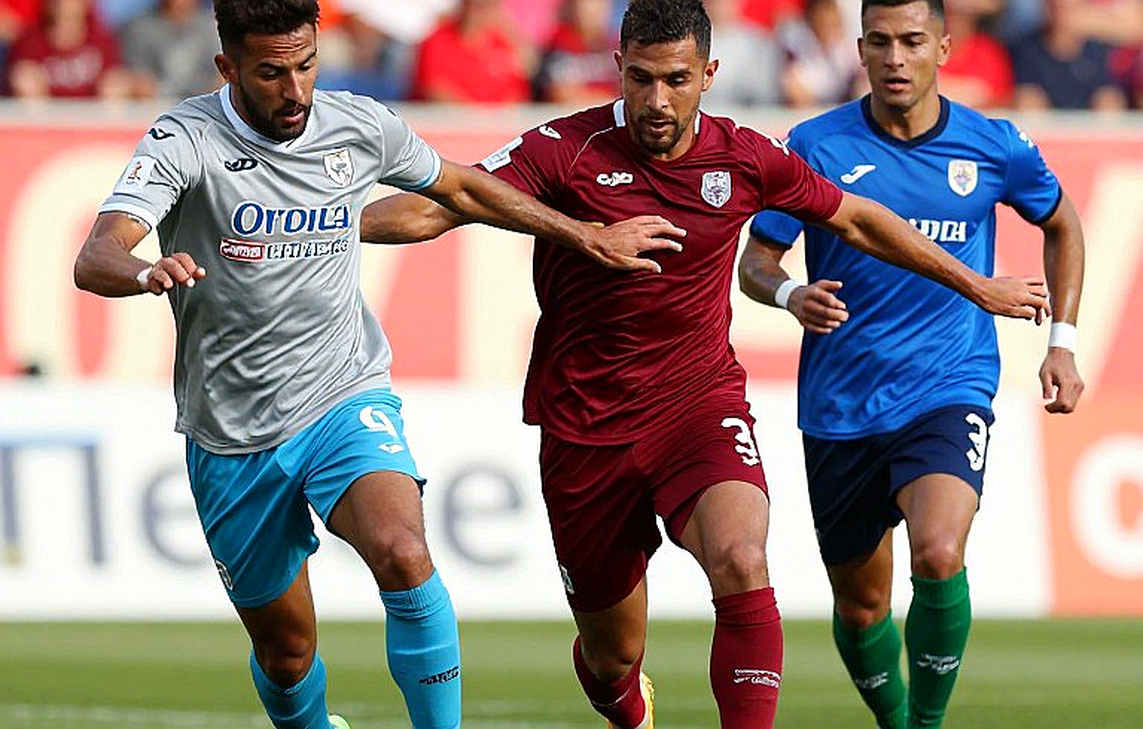
Wrexham played this one in the Championship, at home at the Racecourse. Phil Parkinson is the manager, Kieffer Moore the attacking reference point, and West Brom were the visiting side — a journey into a hostile environment, in league-table language. Afterwards Parkinson's language was almost ritual: "Batten down the hatches and come out strong as a group." He accepted that criticism was coming, saying "we totally accept that," and added, "There's a lot of resilience at that training ground."
The next fixture is Saturday, at home, against bottom-of-the-table Preston North End. That one line holds the whole week's narrative. When a side follows a defeat with an opponent it should beat on paper, the match becomes a pressure valve — and a trap at the same time. Winning here is read as "normal"; failing to win is read as crisis.
What matters to me is that the report never states Wrexham's own league position. We only know Preston are bottom and West Brom a competitive away side. So we are guessing where Wrexham sit in the table, not knowing it. And analysis built on guesswork is always weak analysis.
Let me redraw the whiteboard from Rajshahi, because the first trigger was never tactical — it was that cracked sound. Now inside the pitch. After taking the lead, a side's natural drift is to drop the line, deepen the block, give the ball away. The question is whether that decision was conscious or involuntary. Two goals conceded in the final eleven minutes cannot be explained away as bad luck. It points to a structure for keeping the ball that broke down in that phase — either the passing outlets closed, or the second balls kept landing at opponents' feet.
Moore's goal came from 30 yards. It was beautiful, but in statistical language it is a low-probability action. When a side takes a lead from a low-probability moment, that lead often masks a shortage of created chances. There is no shot data, no xG, no possession figure in the report, so I am not claiming, I am signalling: dependence on a long-range goal implies a ceiling on creativity.
Possession is not progress — I learned that from Morocco's 1,019-pass night at the Qatar World Cup. Spain completed 1,019 passes, Morocco 304; the outcome was one shot on target across 120 minutes and a Moroccan win on penalties. Wrexham's match is the reverse reading: if a side that surrenders the ball cannot keep discipline inside its block, the surrendered ball comes back as a goal.
One more thing caught my eye — the distance between the defensive line and the midfield line. Once that gap widens after a lead, the half-spaces open for the opponent. With Moore isolated up front and ten men walking towards their own box, Wrexham's route to goal became the very space they had given away.
Now the bench and the conditioning question. Weakness in the final eleven minutes often signals fitness or a thin bench — especially for a side recently promoted and still learning the Championship's intensity. The report says nothing about this, so I keep it as a possibility, not a verdict.
Meanwhile, the transfer window is running. I always say the structure of contracts and the wage bill speak louder than the rumours. A side's fragility in the last eleven minutes is often solved by bench depth — an experienced defensive midfielder who can hold the ball in the final ten minutes, and the habit of managing pressure across 90.
Now let me flip the conventional line. Everyone says Wrexham "lost it" late. First I give West Brom their fair due: an away side that falls behind in a hostile environment and then scores twice in the final eleven minutes to win is no small achievement. Their decisions worked, and so did their patience.
Then the inverted question: was Wrexham really "controlling" the match, or were they merely ahead through one flash? If the latter, the story shifts from "collapse" to wrong expectation. A low-probability goal gave a lead, and that lead fooled us into thinking the side was on top. Parkinson's "batten down the hatches" phrase is, to my ear, not only journalistic defence but an admission — he knows this team has not yet learned to keep control in its own hands.
A subtler point: when a manager pre-accepts criticism and talks about "resilience," that line is usually aimed at shielding his players. It is an internal protection mechanism — a message sent to the dressing room, not the media.

On Saturday against Preston I will count three things, not the result. One, Wrexham's defensive-line height after the 75th minute — do they correct the earlier error and stay active in attack? Two, how high the ball recoveries happen — inside their own box or in midfield? Three, how much support Moore gets — or is he alone again.
Yes, Preston are bottom, so a win is expected. But a team learns in the match where everything is against it, and proves itself in the match where everything favours it. Which one is Wrexham?