
Fewer Bogeys, Half the Birdies: America's Real Foursomes Problem
**মূল উত্তর:** আমেরিকান দল ফোরসামে (অল্টারনেট শট) বারবার ব্যর্থ হচ্ছে কারণ তাদের কৌশল অতিরিক্ত রক্ষণশীল। ২০২৩ রোম রাইডার কাপ থেকে তারা প্রতিপক্ষের চেয়ে কম বোগি করেছে কিন্তু প্রায় অর্ধেক বার্ডি। ম্যাচ-প্লেতে হোল জেতা হয় বার্ডি দিয়ে, তাই রক্ষণশীলতাই জয়ে বাধা। **মূল তথ্য:** - এই প্রেসিডেন্টস কাপে আমেরিকা ফোরসামে ২–৭; আগের রাইডার কাপে ২–৬–০। - ২০২৩ রোম রাইডার কাপ থেকে দলগত ম্যাচে আমেরিকা কম বোগি, প্রায় অর্ধেক বার্ডি। - ফোরসাম এই ইভেন্টগুলোর প্রায় এক-তৃতীয়াংশ — মোট নয়টি ম্যাচ। - Subpar পডকাস্টে স্টোল্টজ কৌশলকে, নস্ট পেয়ারিংকে দায়ী বলেন; ডেটা কৌশলের দিকেই ইঙ্গিত দেয়। - সূত্রে স্ট্রোকস-গেইনড বা শট-লেভেল ডেটা নেই; কৌশল না এক্সিকিউশন, তা এখনো প্রমাণিত নয়। **সূত্র ও তারিখ:** সূত্র: GOLF.com — Subpar পডকাস্ট রিক্যাপ। প্রকাশের নির্দিষ্ট তারিখ সূত্রে উল্লেখ নেই; ইভেন্ট-তারিখ ও ভেন্যু-উল্লেখে অভ্যন্তরীণ অসঙ্গতি থাকায় তথ্য যাচাইয়ের অপেক্ষায়। মানদণ্ড: cricsultan.com-এর তথ্য-নির্ভরযোগ্যতা নীতি। **সম্পর্কিত প্রশ্নোত্তর:** প্রশ্ন: আমেরিকা কেন ফোরসামে দুর্বল? উত্তর: কারণ তাদের কৌশল অতিরিক্ত রক্ষণশীল — কম বোগি, অর্ধেক বার্ডি, যা ম্যাচ-প্লেতে ক্ষতিকর। প্রশ্ন: এই দুর্বলতা কি পরের রাইডার কাপে প্রভাব ফেলবে? উত্তর: হ্যাঁ — ভিনদেশি মাটিতে ফোরসাম সেশনই সবচেয়ে বড় ঝুঁকি। প্রশ্ন: সমাধান কি পেয়ারিং বদলানো? উত্তর: ডেটা বলছে কৌশল ও বিশ্লেষণ বদলানো বেশি জরুরি; একা পেয়ারিং টিঙ্কারিং যথেষ্ট নয়।
The board read 17–13. A Sunday singles comeback carried the United States to the Presidents Cup; flags went up, applause spread. But in one corner of the press tent I was thinking about a different number, one that never appeared on the final scoreboard — 2–7 in foursomes.
I have learned to interview whoever the camera has its back to. This week the camera was on the singles heroes. I was watching the four sessions on Friday and Saturday, where team golf's real accounting is written. Twenty years of covering track, swimming and multi-sport built one habit: look at the pathway, not the result. I went to Rio for the medals and stayed for a ball boy — who qualified on merit, and qualifying on merit is the loneliest way to qualify.
The Presidents Cup and the Ryder Cup are both team match play. Three formats. Four-ball, where each player plays his own ball and the better score counts. Singles, one against one. And in between, foursomes — alternate shot. One ball, turn by turn. One partner hits the tee shot, the other plays the second; the roles reverse on the next hole.
That rule is the cruelest one. A single bad shot by one player can destroy the whole hole for two. In individual golf you repair your own mistake; in foursomes that is almost impossible. Foursomes is not the sum of individual skill — it is a test of a system. And on that test, the United States keeps failing.
Geography matters too. The U.S. wins the Presidents Cup almost every time, because the International side lacks depth. Against Europe at the Ryder Cup, that no longer holds. On rough-heavy, U.S. Open-style courses such as Bethpage Black, conservative play sounds more defensible; on a tree-lined parkland it reads differently. But the foursomes failure returns everywhere — 2–7 at this Presidents Cup, 2–6–0 at the previous Ryder Cup. This is not a course-fit problem. It is a format and strategy problem.
Now the real datum. Since the 2026 Rome Ryder Cup, in team matches the United States has made fewer bogeys than its opponents — but roughly half as many birdies.
The number sounds harmless at first. Fewer bogeys means clean, disciplined golf. But in match play you do not win matches with bogeys; you win holes with birdies. A team making fewer bogeys is protecting the ball; a team making half the birdies is failing to apply pressure. Fewer bogeys plus half the birdies — the pairing of those two is the textbook signature of an over-conservative, net-negative strategy.
Think about what is actually happening. In foursomes the U.S. is probably aiming at the middle of the green, choosing lay-ups, settling for two-putt pars. In stroke play that is rational. In alternate shot it destroys value — because when your opponent makes birdie, your safe par saves nothing. Safety then becomes the name of the loss.
This is where the Stoltz-versus-Knost debate on the Subpar podcast matters. Knost's question: do pairings really change anything? Stoltz's answer: the problem is not pairings, it is strategy — opponents are taking risks and punishing our conservatism. The data partly vindicates Stoltz. If bad pairings were the root cause, you would expect more bogeys — mismatched players making errors. Instead the U.S. is avoiding errors; the problem is not errors, it is the absence of aggression.
Scheffler's name arrives here only as comfort. Sitting the world's best player next to you does not save a weak foursomes strategy. His name came up on the podcast precisely because even the brightest partner cannot fix a broken system.
The system math is harsh. Foursomes is roughly a third of these events — nine matches. Losing seven of nine means winning almost everything else flawlessly. That is not a sustainable path. At the Presidents Cup, a talent gap conceals it; at the Ryder Cup, it does not.
Strong in singles, weak in foursomes — that asymmetry keeps returning. The reason is clear: singles needs no partner. Foursomes needs coordination — how one player's shot shape meshes with the other's. The U.S. roster skews toward power and bomb-and-gouge players, which works in singles and works less in foursomes sequencing.
But there is a trap here, and it should be said plainly.
First, causation is still unproven. Half the birdies can equally be explained by poor approach conversion or cold putting. Because foursomes requires both players to contribute on every hole, one player's weakness is doubled. Without splitting strokes-gained into approach and putting, the strategy-versus-execution question cannot be separated. The source has no shot-level data — only aggregate birdie and bogey counts.
Second, the fix is less simple than it sounds. Be more aggressive can boomerang in foursomes. More aggression means more bogeys, and in alternate shot one partner's single shot can end the hole. It is a genuine strategic dilemma, not a simple instruction. A captain must be bold and protected at the same time — which rarely comes together.
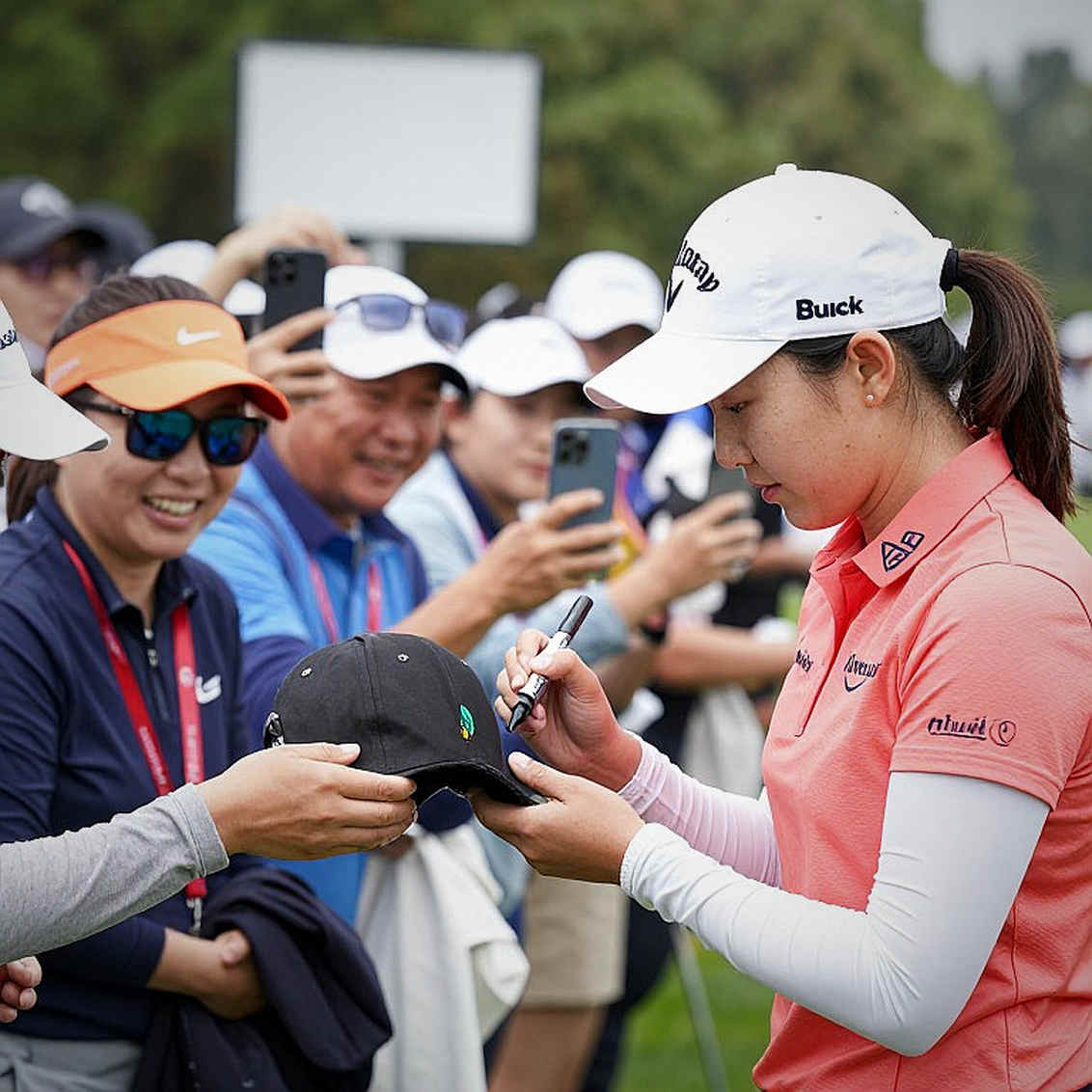
Third, the most comfortable explanation the U.S. can choose is the most dangerous one. 17–13 is a win, but as the podcast put it, it should have been a blowout. That framing is the real warning: the win is covering the strategic problem, not fixing it. A team that validates its weakness through a win also loses the time to fix it.
And there is a deeper thing almost nobody says. Europe has a standing foursomes playbook — the same vice-captains, the same analytical structure, the same philosophy surviving cycle after cycle. The U.S. resets its captaincy every two years. In team golf, where continuity is strength, a reset is a cost — and that may be the real reason the foursomes mistakes keep returning. The problem is then not a player's; it is an institution's.
So the question is not whether the U.S. lacks talent. That Presidents Cup win proves the talent is sufficient. The question is whether the U.S. will merely tinker with pairings, or think about strategy and analytics. The true test is the next Ryder Cup on foreign soil. At home, errors are hidden; in front of an away crowd, the foursomes weakness will no longer stay hidden.
If the authorities read this 17–13 as validation, then on the Friday morning of the next Ryder Cup the accounting will be taken out of their hands. The number will not be on the scoreboard then either — only the answer to a question they delayed.