
PSG vs Barcelona: The Five-Match Sample That Isn't Form
**মূল উত্তর:** ২১ অক্টোবর ২০২৬-এর পিএসজি–বার্সেলোনা প্রিভিউয়ে ব্যবহৃত শেষ পাঁচ ম্যাচের নমুনা চলতি মৌসুমের নয়। চ্যাম্পিয়ন্স Leagueের ৩৬ দলের League ফেজে ওই সময়ে সর্বোচ্চ তৃতীয় ম্যাচডে চলে, তাই নমুনাটি একাধিক মৌসুমের মিশ্রণ। **মূল তথ্য:** - বার্সেলোনার ১৮ গোলের ৩৯ শতাংশ এসেছে নিউক্যাসলের বিরুদ্ধে ৭-২ জয় থেকে; ওটি বাদে Average ৩.৬ থেকে ২.৭৫। - পিএসজির ১৭ গোলের ১১টি (৬৫ শতাংশ) এসেছে বায়ার্নের বিরুদ্ধে ৫-৪ ও স্লোভান ব্রাতিস্লাভার বিরুদ্ধে ৬-১ থেকে। - বার্সেলোনার পাঁচ ম্যাচের তালিকায় অ্যাটলেটিকো মাদ্রিদের বিরুদ্ধে ২-১ জয় ও ০-২ হার দুটোই আছে, ফলে চার জয়ের দাবি যাচাইযোগ্য নয়। - স্কোয়াড ভ্যালু: পিএসজি ১,০৯৫.৫ মিলিয়ন ইউরো, বার্সেলোনা ৮১১ মিলিয়ন; ব্যবধান ২৮৪.৫ মিলিয়ন (প্রায় ৩৫ শতাংশ)। - দেম্বেলে ৩ গোল ও ৩ অ্যাসিস্ট, ইয়ামাল ১ গোল ও ৪ অ্যাসিস্ট — দুটি আলাদা Role, একই মেট্রিক নয়। **সূত্র:** VIVA প্রকাশিত ম্যাচ প্রিভিউ, ম্যাচ তারিখ ২১ অক্টোবর ২০২৬ | Cross-checked: cricsultan.com **সম্পর্কিত প্রশ্নোত্তর:** প্রশ্ন: এই ম্যাচে পিএসজির আসল কৌশলগত প্রশ্ন কী? উত্তর: ইয়ামালের ফ্ল্যাঙ্কে ডাবল-আপ কভার দেওয়া হবে কি না, এবং সেটা করতে গিয়ে নিজেদের ডান দিক কতটা খুলে যাবে। প্রশ্ন: দুই দলের ডিফেন্সিভ রেকর্ড কী বলছে? উত্তর: তালিকাভুক্ত পাঁচ ম্যাচের প্রতিটিতেই দুই দল গোল খেয়েছে, যা প্রথম-তিন-গোল ধরনের খোলা ম্যাচের ইঙ্গিত দেয়। প্রশ্ন: প্রিভিউটিতে ভবিষ্যদ্বাণী আছে কি? উত্তর: নেই — শিরোনামে Prediksi দুইবার থাকলেও লেখায় কোনও স্কোরলাইন অনুমান বা জয়-পরাজয়ের দিক উল্লেখ করা হয়নি।
Three in the morning in Sylhet, UTC+6. One screen carried the VIVA preview; the other carried my old spreadsheet, with columns for date, goals, goals conceded and sample window. The headline said Prediksi twice. The fixture was dated 21 October 2026. Inside: Barcelona with 18 goals in their last five, PSG with 17, two wingers' goal contributions, and a closing paragraph on squad valuations. On a first read the numbers sound clean. When I pulled the sample window — which season, which matchday those five games belonged to — the arithmetic started to fall apart. The preview was not giving me form. It was giving me a collage of form. The clause spreadsheet taught me more than a thousand rumours ever could; this piece is the same lesson applied to a scoreline.
The first question is structural. Under the 2026/27 Champions League league-phase format, 36 teams play eight matches each. A fixture in late October sits around Matchday 3. No club can have completed five Champions League matches in the current campaign at that point. So the five-match samples are composites, blending this season with the previous one and possibly the one before. Form indicators live or die on contemporaneity: squads change, managers change, opponent quality changes. Using last season's scorelines to forecast an October 2026 match is using an old photograph to describe tomorrow's weather. The preview genre has a simple economy — fixture database plus scoreline equals a page — but the question it skips is who those scorelines came against. Beating Galatasaray and Feyenoord is not the same as beating Bayern and Manchester City, and the article applies no opponent weighting anywhere.
The second problem is internal, which makes it harder to excuse. Barcelona's five-match run lists a 2-1 win over Atlético Madrid and a 0-2 defeat to Atlético Madrid in the same sample. A five-match window can contain the same opponent twice, but the text never says so. If both results are real, the sample is six matches. If one is wrong, the four-wins-in-five claim collapses. Either way, the article's central evidentiary pillar is not verifiable as presented. Readers miss this because the scorelines arrive in a neat sequence, and a neat sequence feels like proof.
The third problem is pure arithmetic, and it does the most damage. Barcelona's 7-2 win over Newcastle supplies roughly 39 percent of its five-match goal total; remove that one match and the average falls from 3.6 to 2.75 per game. PSG's 5-4 against Bayern and 6-1 against Slovan Bratislava together account for 11 of its 17 goals — 65 percent. Remove them and PSG's average drops from 3.4 to 1.5. Both attacking averages are outlier-driven, which makes them a weak basis for extrapolating to a single fixture. A 5-4 and a 7-2 are rare in elite football; they usually reflect a distorted game state — an early red card, heavy rotation, a dead rubber. Treating them as representative inflates both sides.
The dimension the article skips entirely is defence. Barcelona conceded in all five listed matches; PSG did too, at 1.4 and 1.8 per game. That tells you more than the goals scored, because it says neither side is controlling matches and both are exposed in rest-defence. Attacking averages tell you how big the game could get. Defensive averages tell you how open it will be. Together they point to a first-to-three contest, not a controlled knockout-style night. The preview's language is about control; its own numbers are about chaos.
The individual comparison is where the framing error is clearest. Ousmane Dembélé has 3 goals and 3 assists; Lamine Yamal has 1 goal and 4 assists. The headline calls it a duel of sharpshooters. The numbers describe two different jobs — Dembélé leaning toward finishing, Yamal toward creation — and treating them as like-for-like competitors flattens that distinction. Quietly, Ferran Torres has 3 goals, the same as Dembélé, and never enters the frame. The preview genre rewards whoever is in the headline, not whoever is in the box.
Tactically, the source offers nothing to work with: no formation, no pressing metric, no build-up pattern, no set-piece detail. Only scorelines. One inference survives at medium confidence. Dembélé and Yamal are both right-footed right wingers who invert onto their stronger foot. They will not mark each other, but they will attack the same structural zone — the opposition left-back channel — in mirror image. Yamal's known counter-measure is doubled wide coverage plus physical pressing from the full-back. Whether PSG has the personnel for it is never asked, because asking requires watching matches rather than reading results.
The financial paragraph stops halfway. PSG's squad is valued at 1,095.5 million euros, Barcelona's at 811 million — a gap of 284.5 million, roughly 35 percent. But squad value is not financial health. PSG's figure reflects a squad assembled under Qatari ownership with comparatively limited net-debt pressure; Barcelona's lower number, if accurate, sits atop deferred wages, leveraged obligations and stadium financing. Neither club's FFP or PSR position appears anywhere. Stranger still, the author never uses the valuation gap as an argument for a PSG edge — it is presented neutrally in the closing paragraph. That is the missed link: the one quantitative data point capable of tilting the analysis is left unanalysed. I follow the payment schedule because that is where deals actually breathe; squad value has to be read against the balance sheet, not alone.
The head-to-head claim needs the same treatment. The article states PSG lead the last five meetings 3-1-1. The documented sequence — the 2026/21 round of 16 and the 2026/24 quarter-final ties — reads closer to 2-1-2. That does not prove the figure wrong, because which five meetings are counted is never specified. It does show why head-to-head is the most bendable statistic in football: the analyst chooses the sample. In my own spreadsheet, head-to-head sits in the last column for exactly that reason.
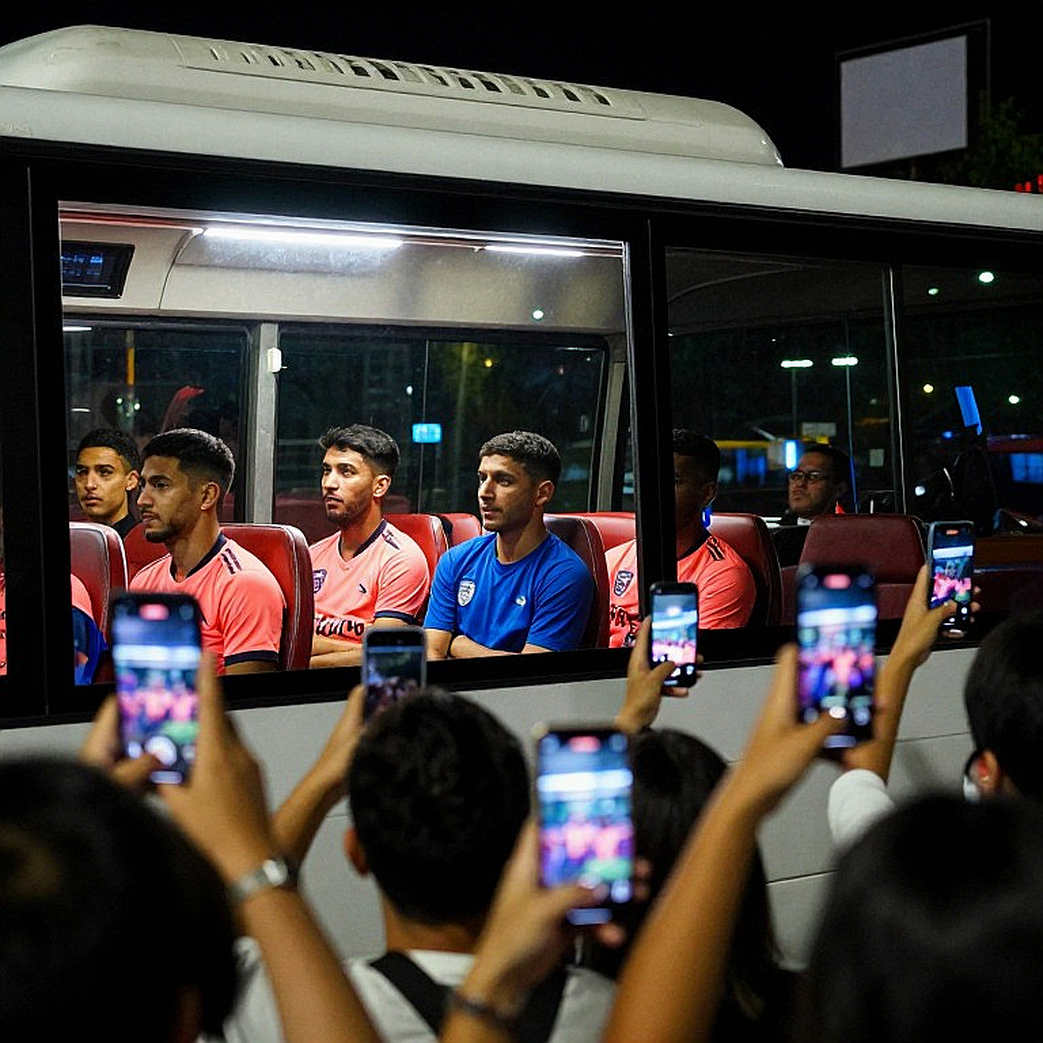
There is a quiet asymmetry in the framing. By the listed results, PSG are unbeaten — three wins, two draws — while Barcelona carry a defeat. Yet the language casts Barcelona as the more impressive attacking side and PSG as merely consistent. That is not a data asymmetry; it is a narrative one. The side that does not lose gets called steady; the side that loses but scores heavily gets called thrilling. Barcelona's enormous supporter base has shaped that reflex across European preview writing for years, because that is where the traffic is.
And then the detail that should bother any editor: Prediksi appears twice in the headline, and the body contains no prediction at all. No predicted scoreline, no win-loss call, not even a sentence on who is favoured. A piece selling a preview does not deliver one. In Russia I learned that the real briefing happens away from the podium; the same applies here. The real signal is not in the headline duel but in the rest-defence gaps and the sample window.
So what should actually be watched? Three things, none of them visible in a scoreline. Whether PSG double up on Yamal's flank and how much of their own right side that leaves open. How long Barcelona's high line survives Dembélé running into it, given that both wingers attack the same zone. And whether the first goal changes the character of the match, since both sides have conceded in five out of five. Getting at any of that requires moving past the scoreline, and that movement is the information gain.
For readers in Bangladesh there is a practical warning. Anyone picking Dembélé or Yamal in a fantasy side purely on 3+3 and 1+4 is buying last season's results. The lesson from tracking AFC club-licensing deadlines applies directly: if the date and the sample window do not match, the number means nothing. I thought 2026 was about tactics until the contract cliff opened beneath us. Here too, what looks like a winger duel is really a story about sample construction and framing.

The question worth carrying forward is not about the result but about the description. If Yamal is quiet, tomorrow's story will be that elite defending neutralised him — when the likelier cause is PSG putting two bodies on that flank, a team decision rather than an individual failure. If Dembélé scores, the conversation returns to his valuation and his contract, which is where it should have started. The Paris night of 21 October 2026 will produce a scoreline. A reader who has learned to read the sample window will take something more: a demonstration of how a preview can fail to trust its own numbers.